- Monday - Friday8:00 AM - 5:00 PM
- Contact Us1-573-785-8478

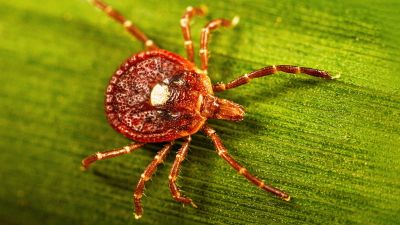
Alpha-gal syndrome (AGS) is a serious, potentially life-threatening allergic reaction to a sugar molecule found in most mammal meat and dairy products. Triggered primarily by the bite of the lone star tick, it causes delayed reactions, including hives, severe stomach issues, and anaphylaxis 2–6 hours after eating products like beef, pork, or lamb.
The most common symptoms, listed below, of Alpha Gal Syndrome often appear 2–6 hours after consumption.
Other symptoms include:
Symptoms can last for several hours to a day after their start. An image of a lonestar tick is to the right.
There is no vaccine to prevent Alpha Gal Syndrome. The best way to prevent diseases spread by ticks is to protect yourself and your family from tick bites. Here’s how:
Clothing
Insect repellant
How is an alpha-gal allergy diagnosed?
Diagnosis of this allergy starts with your allergist taking an appropriate history and physical examination. Because the onset is usually quite delayed, it can be hard to associate the symptoms with eating red meat many hours previously. Triggers include any red meat – including beef, pork, lamb or even horse products. It may occur after eating hotdogs and hamburgers. Some patients react to alpha-gal in medications (e.g. gelatin), milk/dairy proteins and possibly fumes.
Your allergist may recommend testing that includes skin tests to the relevant animal proteins and blood tests which measure the levels of a specific immunoglobulin E (IgE) antibody, to mammalian meats. An investigational blood test, IgE against alpha-gal itself, may also aid in the diagnosis.
How is an alpha-gal allergy treated?
Immediate symptoms such as hives or shortness of breath are treated the same as any other food allergy - in an urgent care setting with epinephrine, anti-histamines and other medications. Prevention long-term involves avoidance of all red meat in sensitized individuals. You may be advised to carry epinephrine, to be used in case of subsequent accidental exposures and reaction. These measures do not necessarily mean switching to a full vegetarian diet, since poultry and fish can be consumed and do not cause similar reactions. As with other food allergies, there is the possibility that over time the sensitivity diminishes – although these changes may take many years to become apparent.
For more information on this or any of our services, contact us at (573) 785-8478 or by e-mail at info@butlercountyhealth.org.
The Butler County Health Department is An Equal Opportunity and Affirmative Action Employer Services provided on a non-discriminatory basis.


Website Designed by Creative Design Group | Smart Marketing | Login | Forms Login | Email Login